

When Buildings Become Narrators
OR How Architecture Tells Stories We Need to Hear

“It was always about the narrative, about the storytelling of architecture.” -Miguel Cardenas
When Miguel told me this during our recent podcast conversation, describing his work at Lee Skolnick Architects designing children’s museums and nature centers, something clicked in place for me. Because I’ve been trying to do the same thing, just from a different angle, of course.
Some of you know, I’m writing a book called “If These Walls Could Talk”, where my house - yes, my actual house - serves as the narrator. She’s an old lady, 135 to be exact, witnessing over a century of Jersey City history through the people who called her rooms their home. And as Miguel spoke about designing spaces that tell stories, I realized that architects, historic preservationists, and artists with the same niche subject matter like me, are all doing the same work. We’re just teaching people to read buildings differently.
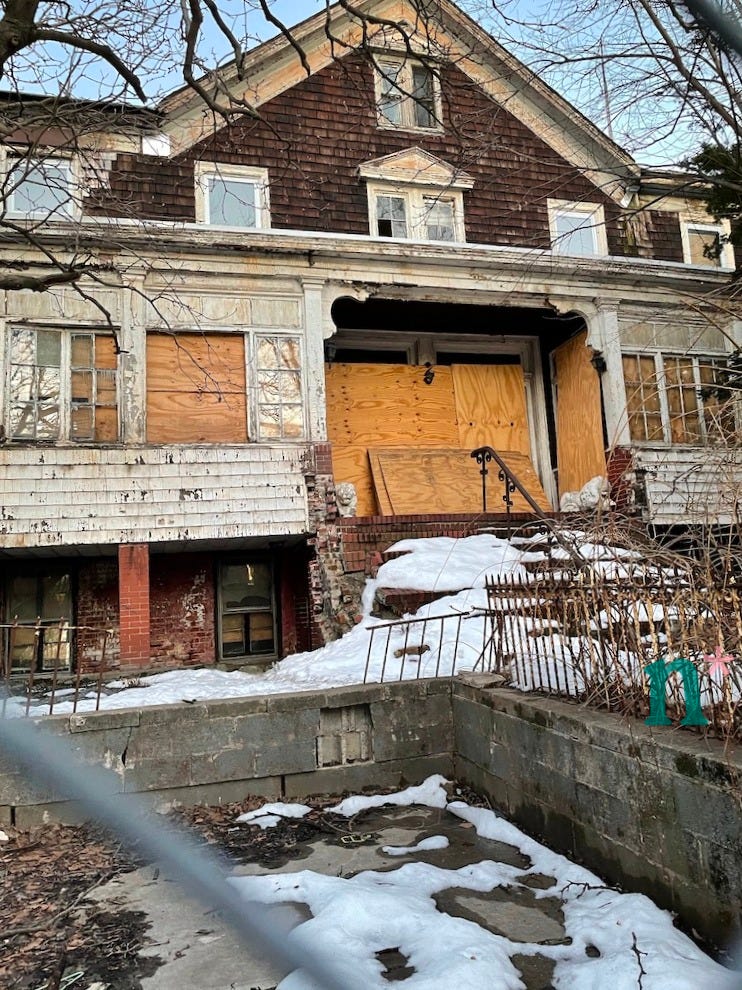
What gets me excited is that every building that is a bit older is holding stories. Not metaphorically, but literally. The physical structure remembers. The layout tells you about the social norms of the era. The materials reveal economic conditions of the time. The modifications show how families adapted to changing living circumstances and taste.
Of course, an architect like Miguel who worked for 24 years on narrative-driven spaces like museums designed to tell specific stories through their very structure has the usage of the building in mind. The difference is that this is just a different story, a different kind of reading. When I walk around the neighborhood, I may think about the people who lived there, their dreams and lives. When Miguel walks through the city, he may read the stories in cornice lines and window patterns. We’re both reading the same book: the built environment. We’ve just learned different ways of decoding it.
Miguel actually teaches his students at a Jersey City public school how to read those buildings. He’s passing on those “tricks”, teaching them how to see balance and proportion and rhythm organize their visual world. Whether they become contractors, web developers, or architects, they’re learning to read the language buildings speak.
This is preservation work, even if it doesn’t look like it at first glance, because you can’t protect, what you can’t see. You can’t value what you haven’t learned to read.
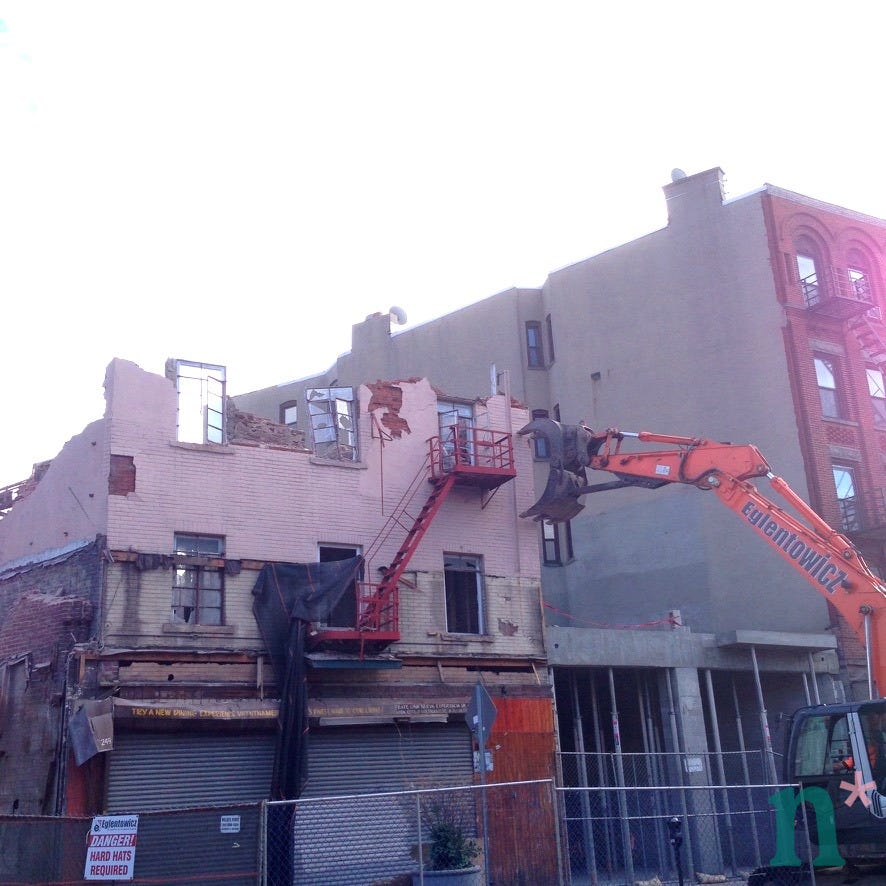
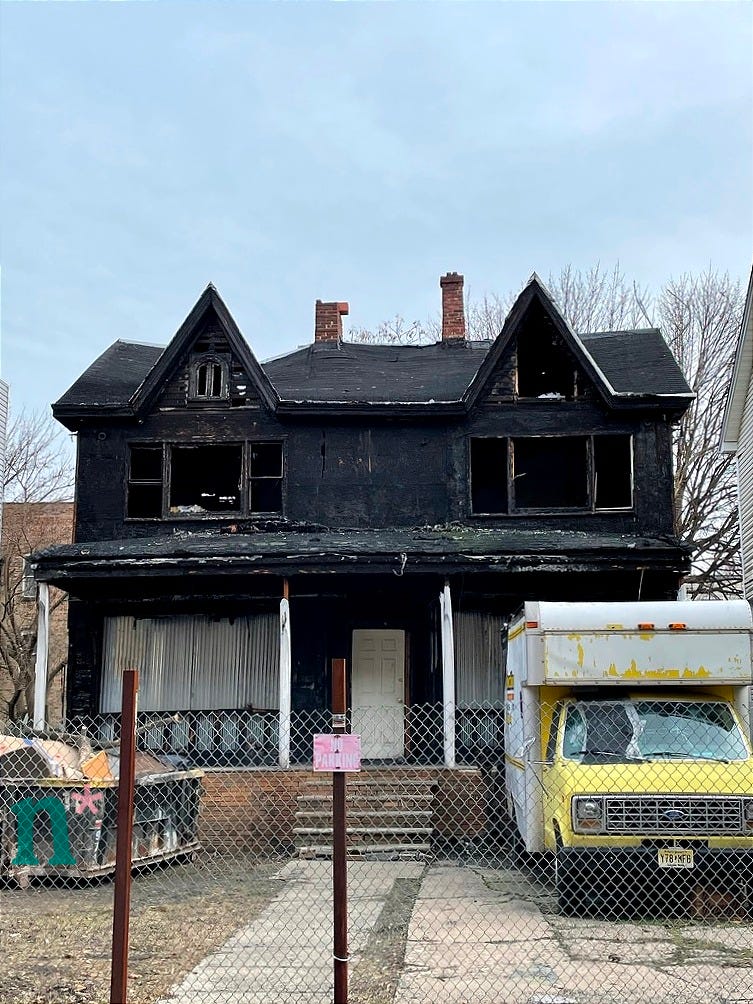
I think about this every time I walk past a building slated for demolition or when someone tells me “It’s just an old house.” Just? JUST? That “just an old house” might have been where a pioneering woman doctor defied gender norms and saved countless infant lives. It might have been where immigrants built their first American home. It might be holding stories we desperately need right now - about resilience, the ones about community, about how people solved problems we’re still grappling with.
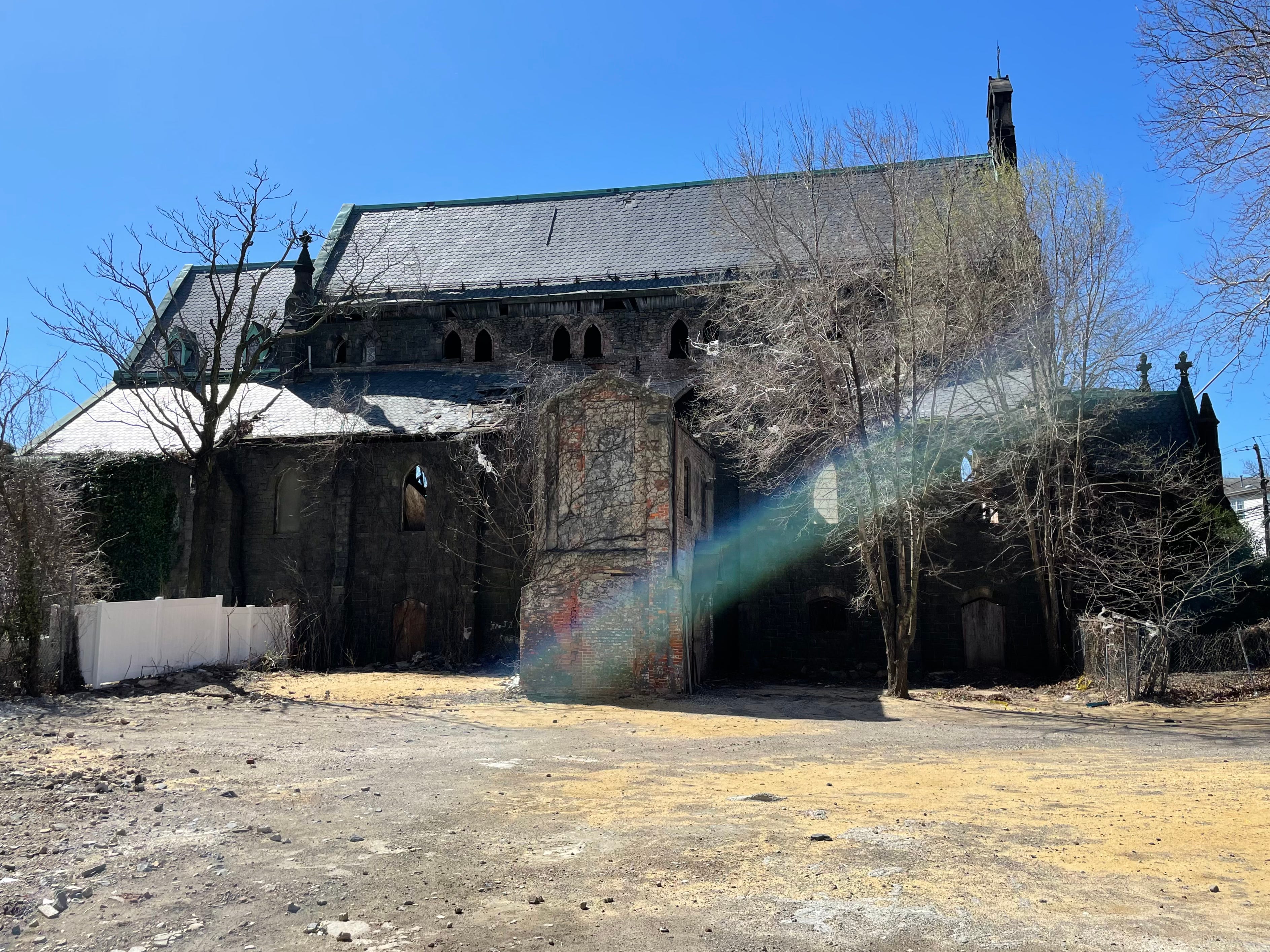
Miguel teaches people how to read buildings, I paint buildings and write about them to preserve stories before they disappear entirely. But in the end, we both are doing the same: trying to help people to see.
When we really see buildings and how they hold stories, we see that nothing is really ever lost. The past isn’t sealed away in museums and history textbooks. It is right here, in the walls around us, in the sidewalks beneath our feet, and in the doorways we pass through every day. If you see, the buildings are talking. They’ve always been talking.
Are you listening?
Want to hear my full conversation with Miguel Cardenas? Listen to Episode 18 of Nat’s Sidewalk Stories, where we discuss his journey from architecture to art to activism, the evolution of Jersey City’s creative community, and why showing up matters more than nostalgia.
I live in a house built between 1848 and 1860. Your statement, "The materials reveal economic conditions of the time" rings true for me. When we moved in my son and I decided to strip the woodwork in a room he was using. We got down to what we thought was wood grain only to discover it was faux painted oak. Pine was plentiful, but not considered classy enough for the New England sea captain who the house was built for. Doing some research I discovered itinerant painters traveled through our town painting the plain pine molding to look like oak. Our house has many stories to tell and I love each time I discover a new one.